DE
Hochwertiges 2-Heptanon CAS NO.110-43-0
2 Anfragen
110-43-0
Industrietauglich
99%
shanghai
Lonwin
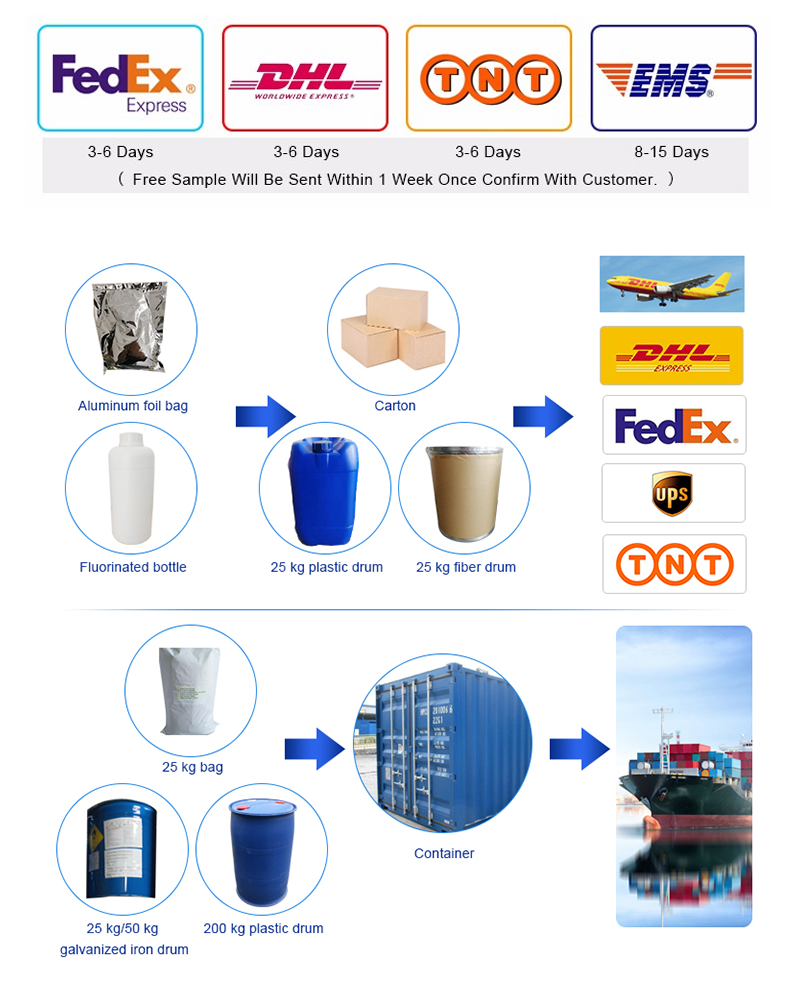
1 kg / Flasche, 25 kg / Trommel, 200 kg / Trommel, 1000 kg / IBC-Trommel
2024-01-20
CHEMIKALIEN,REAGENZIEN
Produktbeschreibung
Informationen der Verkäufer
Anfrageverlauf
- BeschreibungBasisinformation
- Produktname:
2-Heptanon
Anderer Name:2-Heptanon; Amylmethylketon; n-Amylmethylketon; Methylamylketon; Methyl-n-Amylketon; Methylpentylketon; Pentylmethylketon; Butylaceton; n-Pentylmethylketon; Methyl-n-Pentylketon; 1-Methylhexanal; 2-Oxoheptan; NSC 7313; MAK
CAS-Nr.:110-43-0
Molekulare Formel:C7H14O
InChIKeys:InChIKey=CATSNJVOTSVZJV-UHFFFAOYSA-N
Molekulargewicht:114.18500
Genaue Masse:114.19
EG-Nummer:203-767-1
UNII:89VVP1B008
ICSC-Nummer:0920
NSC-Nummer:7313
UN-Nummer:1110
DSSTox-Substanz-ID:DTXSID5021916
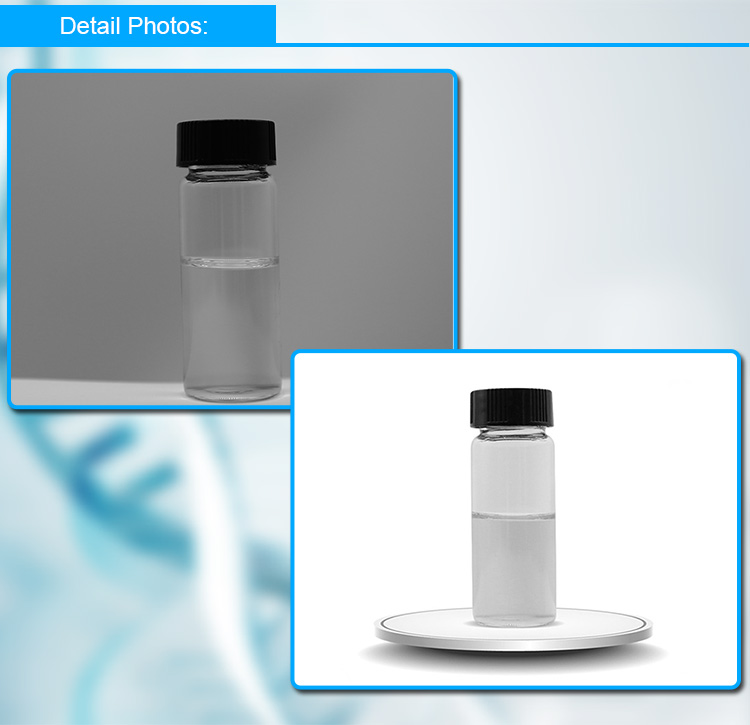
Farbe/Form:Colorless to white liquid
HScode:2942000000
Kategorien:
Eigenschaften- PSA:
17.07000
XLogP3:2.15570
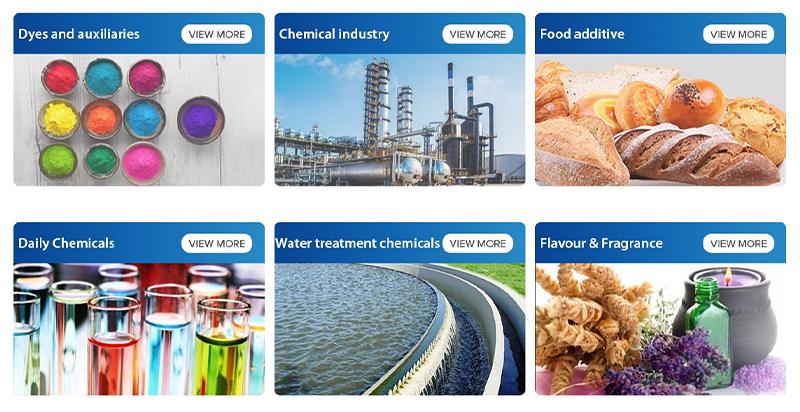
Aussehen:N-amyl methyl ketone appears as a clear colorless liquid. Flash point 126°F. Less dense than water and only slightly soluble in water. Hence floats on water. Vapors heavier than air. Density 6.8 lb / gal. Used as a synthetic flavoring and in perfumes.
Dichte:0.8068 g/cm3 @ Temp: 30 °C
Schmelzpunkt:-35,5 °C
Siedepunkt:111 °C @ Presse: 21 Torr
Flammpunkt:47ºC
Brechungsindex:1.4075-1.4095
Wasserlöslichkeit:H2O: 4.3 g/L (20 ºC)
Lagerbedingungen:Flammables area
Dampfdruck:2.14 mm Hg ( 20 °C)
Dampfdichte:3.94 (vs air)
Entflammbarkeitseigenschaften:Brennbare Flüssigkeit der Klasse II: Fl.P. bei oder über 100 ° F und unter 140 ° F.
Explosionsgrenze:Vol% in Luft: 1,5
Geruch:Penetrating fruity odor
Geschmack:BIRNENARTIGER GESCHMACK
OH:1.17e-11 cm3/molecule*sec
Henry-Konstante:1.69e-04 atm-m3/mole|Henry's Law constant = 1.69X10⁻⁴ atm-cu m/mol at 25 °C
Experimentelle Eigenschaften:CAN REACT WITH OXIDIZING MATERIALS.|Ionization Potential: 9.33 electron volts|82.7 cal/g|Hydroxyl radical reaction rate constant = 1.17X10⁻¹¹ cu cm/molec-sec at 25 °C
Luft- und Wasserreaktionen:Brennbar. Leicht löslich in Wasser.
Reaktive Gruppe:Ketones
Reaktivitätsalarme:Highly Flammable
Reaktivitäts-Profil:N-AMYL METHYL KETONE reacts exothermically with many acids and bases to produce flammable gases (e.g., H2). The heat may be sufficient to start a fire in the unreacted portion. Reacts with reducing agents such as hydrides, alkali metals, and nitrides to produce flammable gas and heat. Incompatible with isocyanates, aldehydes, cyanides, peroxides, and anhydrides. Incompatible with many oxidizing agents including nitric acid, nitric acid/hydrogen peroxide mixture, and perchloric acid. May form peroxides (USCG, 1999).
Selbstentzündungstemperatur:739 °F (USCG, 1999)|740 °F (393 °C)|393 °C
Ionisationspotential:9.33 eV
Explosionsgrenze:Untere brennbare Grenze: 1,1 Volumenprozent bei 66 °C (151 °F); Obere brennbare Grenze: 7,9 Volumenprozent bei 121 °C (250 °F)| Brennbare Flüssigkeit der Klasse II: Fl.P. bei oder über 100 ° F und unter 140 ° F.
Korrosivität:Wird einige Formen von Plastik angreifen
Verdampfungswärme:12,478.9 G CAL/G MOL